
Treatment providers are one of the most essential parts of the addiction healthcare system, and the demand for what they do keeps climbing. As the stigma around addiction continues to decrease, more people are seeking care, and treatment programs are being asked to take on a growing number of clients, without a growing number of providers.
This staffing gap is showing up in the numbers. As of December 2025, roughly 137 million Americans, about 40 percent of the population, live in a federally designated “Mental Health Professional Shortage Area”, and the country is projected to be short tens of thousands of addiction counselors within the next decade, according to recent workforce reporting. The National Council for Mental Wellbeing puts a similar shape on the problem, projecting a shortfall of nearly 114,000 addiction counselors by 2037 and pointing to burnout, limited training pathways, and licensure barriers as the forces behind it. As MedicalResearch.com has noted, the shortage does not only shrink staffing rosters. It touches access, wait times, and the continuity of care that substance use treatment depends on most.
For clinical leaders managing high caseloads inside that reality, the challenge shows up in a very practical form: deciding, case by case, who needs attention right now. Dr. Caitlin Artiaga, PhD, LMFT, is Clinical Director at Blume Behavioral Health, where she oversees mental health programming across residential, outpatient, and high-acuity treatment settings.
When there is no other option but to figure out which patients to prioritize, Dr. Artiaga explains, “the key here is to look at the change from each patient's baseline. Some of these can include an increase in cravings, missed sessions, changes in mood and sleep, new substance use, and general instability, among others. In more complex settings, it should also be considered the safety risk, relapse history, and co-occurring mental health symptoms.”
In an ideal world, every client would get the same amount of attention, every session. That is not always possible when a shortage of providers means one clinician is carrying a caseload built for multiple people. When teams do have to decide where their limited time goes, Dr. Artiaga is clear that judgment and self-reporting cannot carry that decision alone. “Both clinical judgment and self-report are important, but professionals can't make decisions just based on these,” she said.
That is not a knock on either one. “It's normal to see patients say they are consuming less substance because of several factors, such as shame or the fear of the potential consequences,” she said. “Even more importantly, sometimes they can't see their own deterioration.” Clinicians are working with limited information too. “When clinicians are managing a high number of cases, there's a chance they can become vulnerable to cognitive bias,” Dr. Artiaga said. “For example, a person who is constantly asking for help can at first look more vulnerable, while another patient's situation may be getting worse and going unnoticed.”
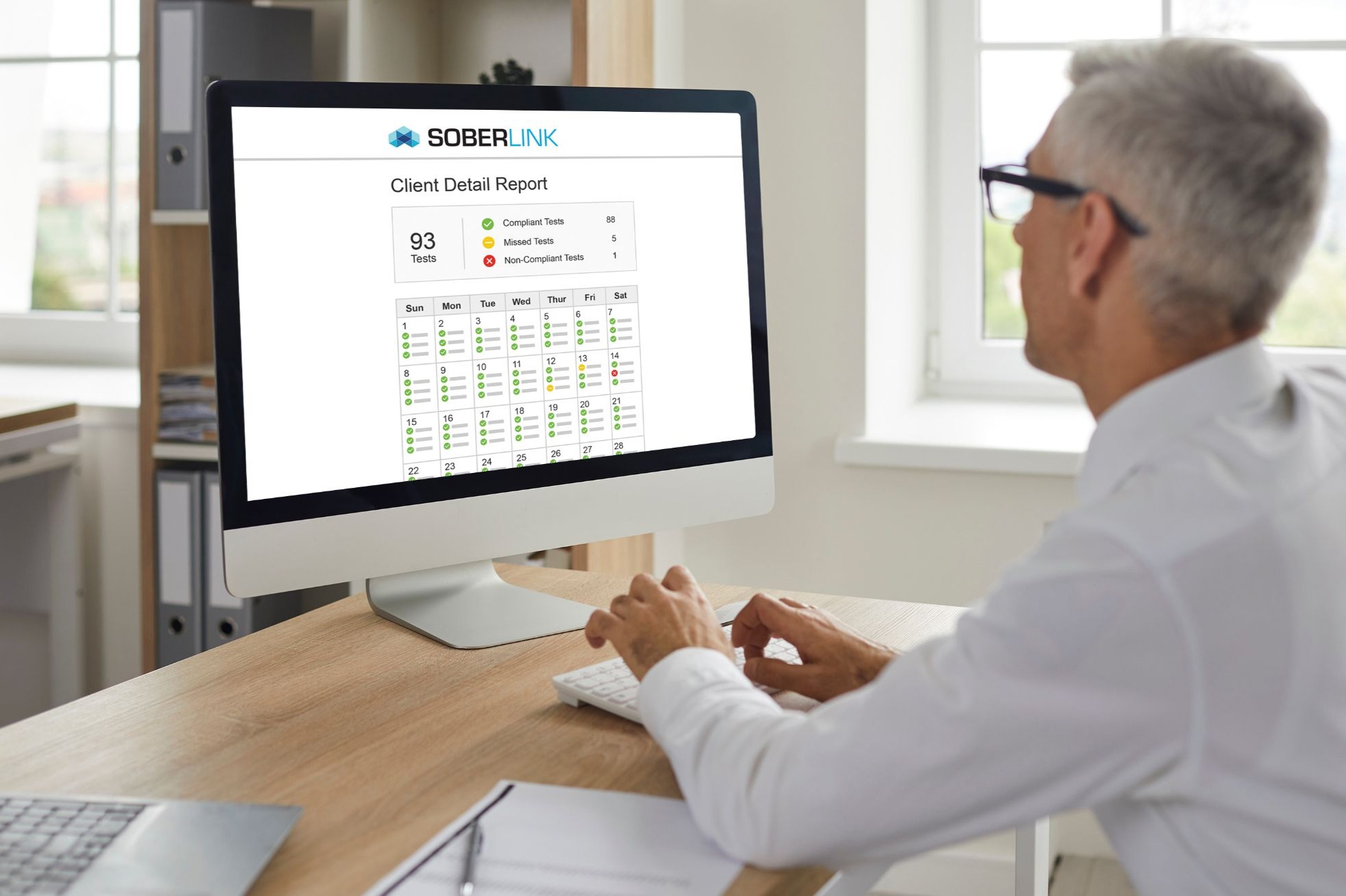
This is where objective, continuous data can be so useful for clinicians. Remote alcohol monitoring technologies like Soberlink can give clinical teams real information about how a client is actually doing between sessions, instead of relying on what that client remembers, or is willing, to disclose in the room. A team no longer has to guess whose report to trust or whose calls to answer first. They can see who has genuinely stayed stable and who has started to struggle, and prioritize based on that instead. Used this way, objective data does not just help a program prioritize correctly. It helps a program prioritize everyone, accurately, even with fewer providers than the caseload calls for.
That matters even more against the shortage described above. When providers are already stretched thin, objective data does not only protect the clients whose instability might otherwise go unnoticed. It also lifts some of the weight off clinicians who would otherwise spend session after session simply checking whether a client has been drinking. Instead of wondering, they know, and that time gets to go toward the clients who need it most right now.
“Continuous alcohol monitoring is useful for recognizing those who may require treatment prior to the next appointment,” Dr. Artiaga said. “Should someone who had previously been able to abstain from alcohol begin testing positive, it is an indication for the team to examine the possibility of relapse and determine the level of further treatment that may be required.” In practice, “it will allow them to separate patients who have remained stable from those who are beginning to drink again, allowing limited staff resources to be allocated to those whose needs seem most urgent at the moment.”
In the treatment setting, Soberlink was not designed to run without a clinician. Rather than finding out later on during a session that a client had consumed alcohol a few days earlier, an unexpected result can lead the team to conduct an assessment right away, to find out what happened and decide together what kind of intervention is needed. From a practical perspective, this information gets incorporated within the existing clinical evaluation, integrated alongside attendance, symptoms, treatment adherence, and each client's individual risk profile.
Dr. Artiaga is direct about where that line sits. “This is the part I would instruct the clinic regarding the implementation of data: to use the information for prioritizing patients rather than automating the process of care,” she said. “Testing positive or negative on alcohol consumption does not mean a set procedure of actions; rather, the patient should be talked to and assessed based on his/her needs.”

“Efficiency here is provided through giving the clinician the ability to have more information as to how to spend the time,” Dr. Artiaga said. “A relationship-centered approach is what is performed afterwards; it involves analyzing the context of the situation and engaging the patient in the decision-making process.”
That efficiency creates freedom on both sides of the relationship. Clinicians gain the freedom to spend limited hours where they are actually needed, instead of splitting attention evenly across a caseload out of uncertainty. Clients gain the freedom to walk into a session and be met as a whole person, instead of starting every visit with a check on whether they have been drinking.
Objective data can tell a team a lot, but it cannot replace the clinician who decides what that data means for the person sitting in front of them. As the workforce shortage continues to stretch caseloads thin, that clinician, and the relationship they build with each client, is what makes treatment work at all. Soberlink is there to help them reach more of the people who need them.
Book a Free Soberlink Training to learn more about building monitoring into your program's clinical workflow.