Co-parenting is rarely easy, but when one parent struggles with addiction, the challenges become more complex. You want your child to have a healthy relationship with both parents, yet their safety and well-being must come first. Family courts operate on this exact same principle. Every decision a judge makes prioritizes the child’s best interests above all else.
When issues involving custody and alcohol arise, the legal system relies on clear guidelines to ensure children remain safe. Understanding how courts view alcohol misuse can give you peace of mind and help you take the right steps to protect your family.
This guide explains how courts evaluate these sensitive situations, the evidence they look for, and how tools can help you rebuild trust.
A judge’s primary goal is to ensure a child grows up in a safe, supportive, and stable environment. They look at the daily realities of the child's life, from who helps with homework to who ensures the child gets to bed on time.
When issues of custody and alcohol intersect, the court must determine if a parent's drinking habits interfere with these basic responsibilities. Having a few drinks is not inherently illegal or a cause for losing custody. The court specifically looks at whether the alcohol use creates an unstable or dangerous environment for the child.
There is a distinct line between casual, social drinking and problematic alcohol abuse. Enjoying a glass of wine at a neighborhood dinner party or having a beer while watching a baseball game is generally acceptable. However, the court becomes highly concerned when drinking affects a parent's judgment or behavior.
Signs of alcohol abuse that raise immediate red flags in a custody and alcohol case include:

Excessive drinking can restrict a parent's legal rights. If a judge determines that a parent's drinking poses a risk, they will adjust physical custody and visitation rights to protect the child.
Courts have several options to manage custody and alcohol disputes safely. They might order supervised visitation, meaning the parent can only see their child with a trusted third party present.
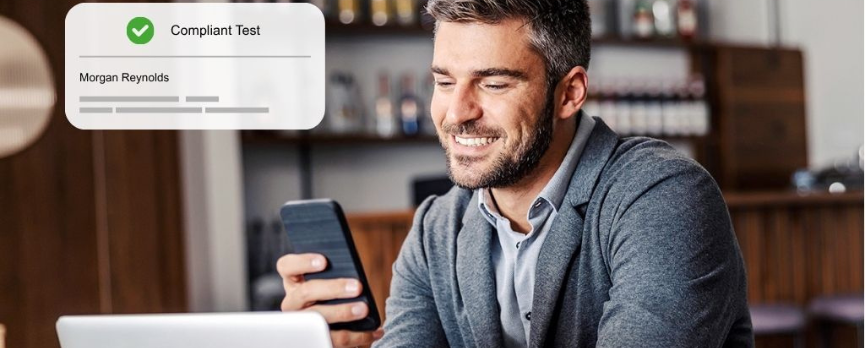
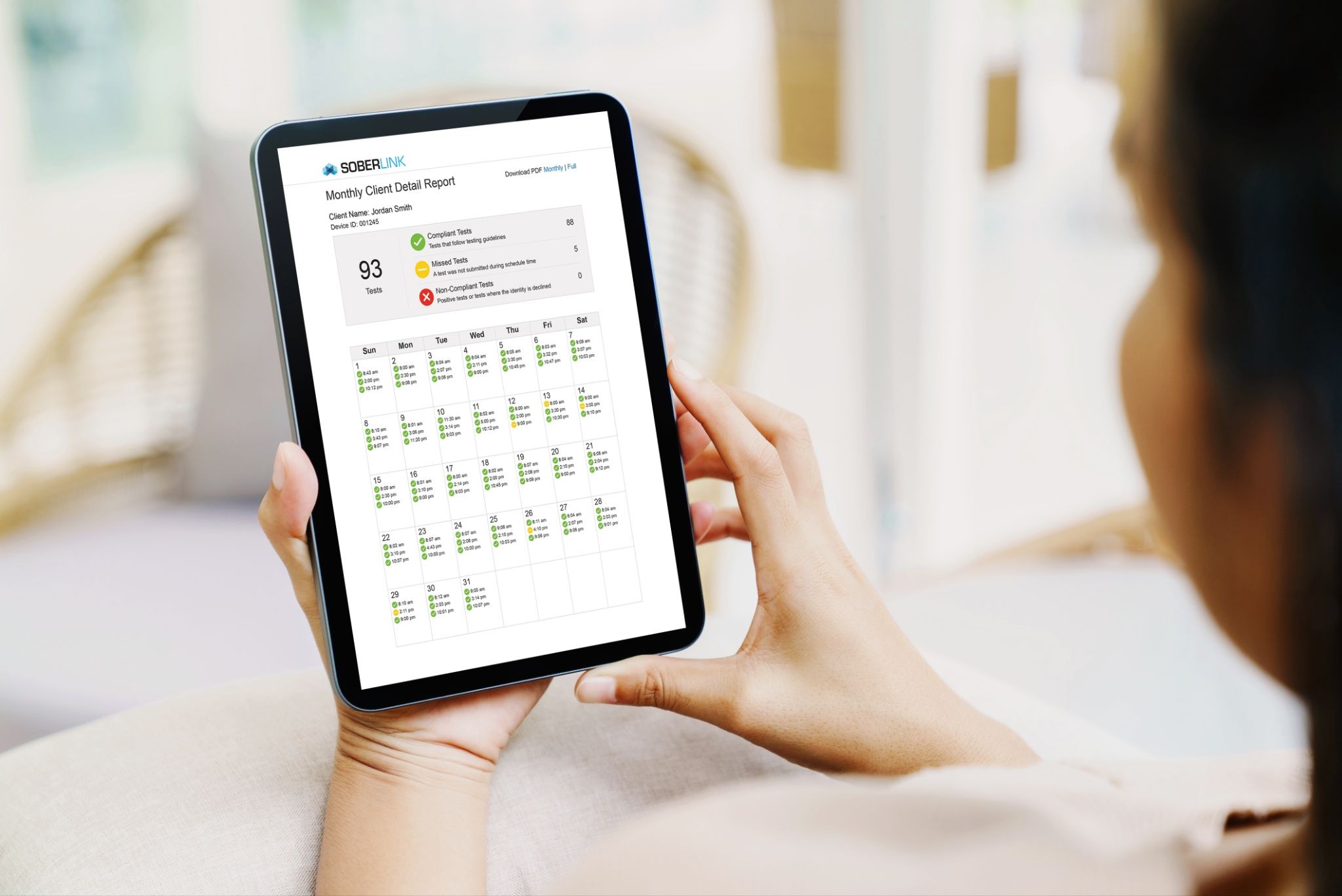
A judge may also require the parent to complete mandatory treatment programs. To ensure ongoing safety, courts frequently mandate alcohol testing. Using a remote breathalyzer system like Soberlink allows the parent to prove they are sober during their parenting time, which is a crucial step in rebuilding trust.
Family courts base their decisions on hard evidence rather than accusations. If you are dealing with a case involving custody and alcohol, the court will review several types of documentation.
Police reports and criminal records provide clear proof of legal troubles related to drinking. Medical or rehab records can also establish a history of substance abuse. Additionally, statements from people who interact with the family daily, such as teachers, relatives, or neighbors, help paint a clear picture of the parents' behavior. Social media is another common source of evidence; photos or posts depicting heavy partying can be submitted to the court.
Alcohol testing results are arguably the most powerful form of evidence, however. Soberlink's breathalyzer technology is particularly effective because it provides instant results and uses facial recognition to confirm identity. It is an excellent, court-admissible way to prove ongoing sobriety and offer peace of mind in a complex custody and alcohol situation.

If you are currently involved in a custody and alcohol case, your actions will be closely scrutinized. Be incredibly mindful of your own alcohol consumption during the proceedings. Follow all court orders strictly, including visitation schedules and communication guidelines.
If you are the parent struggling with alcohol, seek professional help immediately through counseling or an established treatment program. You can also use a portable breathalyzer that supports safe co-parenting environments while giving you autonomy. Taking proactive steps shows the court that you take your responsibilities seriously. Most importantly, work closely with an experienced family law attorney who understands the nuances of these specific cases.
Rebuilding trust after alcohol has damaged a co-parenting relationship takes time, patience, and verified accountability. By understanding the court's priorities and utilizing the right monitoring tools, families can find a safe path forward.
Having the right legal support makes all the difference when navigating custody and alcohol issues. To find a compassionate, knowledgeable professional to guide you, browse our directory of top-rated family law attorneys trained by Soberlink in best practices surrounding reliable alcohol monitoring.