
Recovery monitoring involves using structured check-ins and data-driven tools to track progress during alcohol addiction treatment. By building accountability and daily routines, recovery care monitoring helps individuals maintain long-term sobriety, reduces the risk of relapse, and improves communication between patients, families, and care providers.
Taking the brave step to seek help for alcohol use is a monumental achievement. However, many people find that the real work begins when transitioning from a structured treatment program back into daily life. Adjusting to familiar environments and old routines can feel overwhelming. Building a sustainable support system is essential to navigating this transition smoothly.
This is where gentle, structured accountability matters most. By incorporating simple sobriety tracking methods into your everyday routine, you can build a strong foundation for lasting wellness.
At its core, recovery monitoring is a compassionate approach to tracking your progress after initial addiction treatment. Rather than acting as a punitive measure, this process serves as a supportive safety net. It could involve regular check-ins, scheduled evaluations, or the use of remote tools to help you stay aligned with your sobriety goals.
According to the National Institute on Alcohol Abuse and Alcoholism (NIAAA), comprehensive ongoing care is vital because alcohol use disorder is a chronic condition that often requires continuous management. Recovery care monitoring bridges the gap between clinical rehab and independent living, reassuring you that you are never fighting this alone.
Maintaining sobriety often requires changing deep-rooted habits. Recovery care monitoring matters because it provides a predictable structure. Knowing you have a scheduled check-in encourages you to build consistent, healthy routines.
This ongoing support also allows care providers to identify warning signs early. If someone experiences a brief setback, their care team can adjust treatment plans immediately. This proactive communication reduces the risk of full relapse and helps families feel more connected to their loved one's healing.
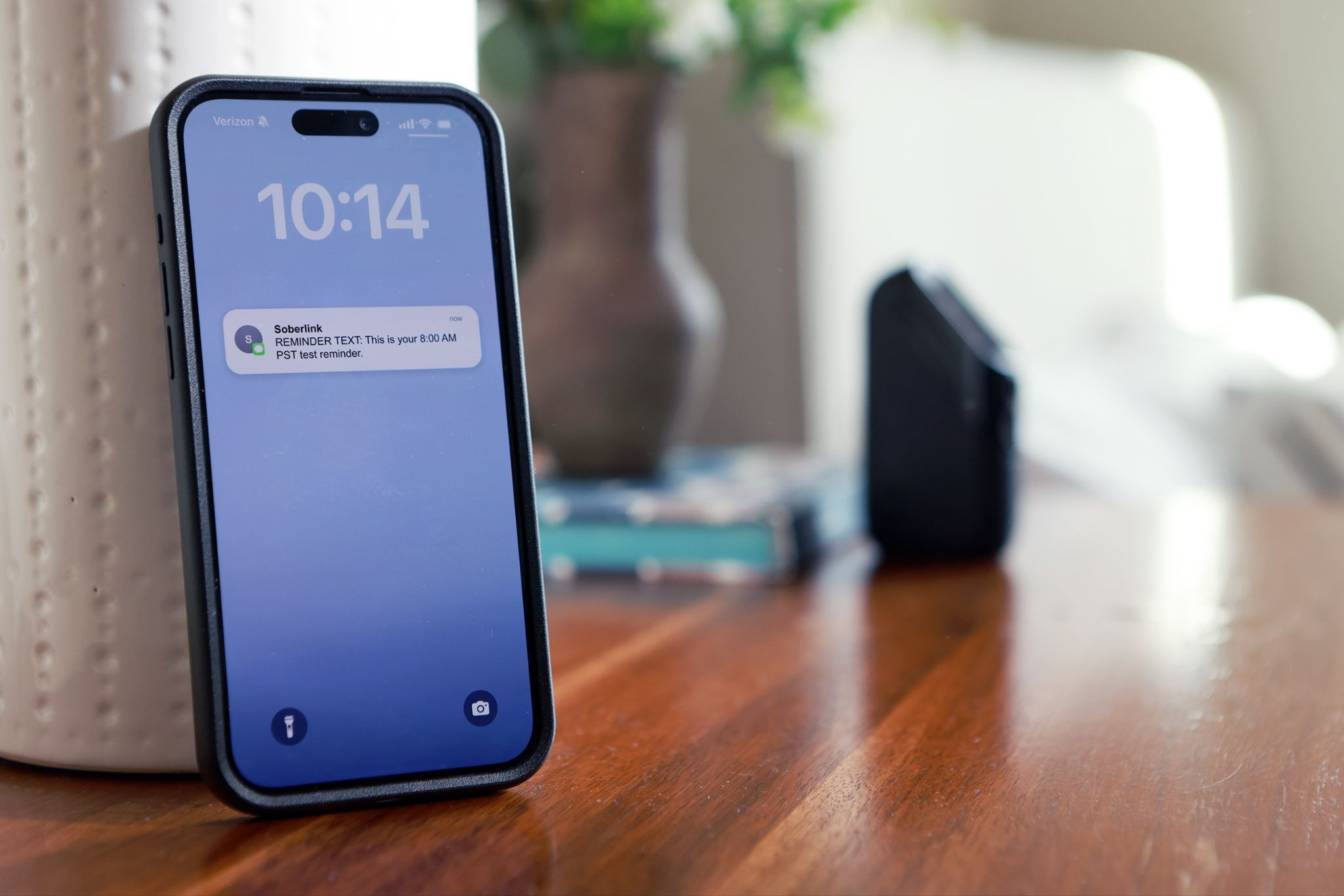
Instead of a lifestyle overhaul, the best tools fit seamlessly into your everyday routine. Recovery care monitoring might look like taking a quick breath test right shortly after you wake up, or logging a journal entry before heading into the office.
Modern technology makes this process highly accessible. Portable devices, like those offered by Soberlink, verify sobriety using built-in facial recognition and tamper sensors, then send real-time results directly to treatment teams or designated family members. This integration ensures that recovery monitoring tools act as ongoing support systems rather than stressful surveillance methods.
Healing from alcohol addiction can sometimes feel isolating. Recovery care monitoring provides profound psychological benefits by fostering a sense of connection and stability.
Tracking clear, measurable progress helps build internal motivation. Seeing a consistent record of sober days reinforces positive behavior changes and boosts self-esteem. Furthermore, sharing this concrete progress with family members helps rebuild trust, allowing loved ones to provide meaningful encouragement rather than worrying from afar.

Digital technology has revolutionized how people approach aftercare. Devices with Bluetooth connectivity, facial recognition, and cellular data capabilities offer remarkable accuracy and convenience. Choose a discreet, portable alcohol monitor if you frequently travel for work or need a solution that fits easily into a busy schedule. Soberlink is widely regarded by sober individuals and treatment professionals alike as the premier alcohol monitoring tool, helping hundreds of thousands of people sustain sobriety and rebuild trust since its debut over a decade ago.
These modern tools prioritize user dignity. They are designed to be small, light, and unobtrusive, allowing individuals to maintain their privacy while still sharing vital progress data with their loved ones and clinical team.
Long-term recovery is a marathon, and having the right tools makes a significant difference in your overall quality of life. Embracing a structured aftercare plan empowers you to take ownership of your health while staying connected to your support network.
If you are looking for a reliable, discreet way to maintain accountability and rebuild trust, explore how modern solutions can fit gently into your life. You can learn more and get started by checking out Soberlink's portable alcohol monitoring options.

Individuals transitioning out of an inpatient rehab program, intensive outpatient program (IOP), or anyone seeking structured accountability for alcohol use disorder should consider these tools. They are especially helpful for those needing to rebuild trust with family members or meet specific legal or clinical requirements.
While no single tool guarantees a person will never drink again, recovery care monitoring significantly reduces the risk of relapse. The system provides early detection of setbacks, allowing clinical professionals and family members to intervene and offer support before a slip becomes a full relapse.
Using modern portable devices takes only a few minutes a day. The process typically requires a quick breath test at scheduled times, such as morning, afternoon, and evening, allowing individuals to focus the rest of their time on living a healthy, productive life.