Supporting someone in recovery requires thoughtfulness and attention. You want to be present and helpful without overstepping or creating tension. One of the most common sources of stress? Uncertainty around drinking or how to support a loved one without letting paranoia take over.
This is where understanding blood alcohol levels becomes invaluable. A blood alcohol level chart isn't a tool for policing behavior. It's a way to replace guesswork with knowledge, suspicion with understanding, and anxiety with informed support. When used thoughtfully, it can help loved ones focus on what really matters: encouraging recovery, not controlling it.
Blood alcohol level, or BAL, measures the concentration of alcohol in someone's bloodstream. It's typically expressed as a percentage. For example, 0.08% means there are 0.08 grams of alcohol per 100 milliliters of blood.
When someone drinks alcohol, it enters the bloodstream through the stomach and small intestine. From there, it circulates throughout the body, affecting coordination, judgment, and reaction time. Over time, the liver metabolizes the alcohol, and BAL gradually decreases.
What makes BAL useful is its objectivity. Unlike trying to gauge sobriety based on slurred speech or mood, BAL provides a measurable, factual baseline. It removes the emotional charge from the conversation and offers clarity when you need it most.

A blood alcohol level chart estimates BAL based on several factors: the amount of alcohol consumed, the person's weight, and the time elapsed since drinking began. These charts typically show how BAL rises and falls over hours, helping you understand what different levels might look like in real time.
For example, a 150-pound person who drinks two standard beers in an hour might reach a BAL of around 0.05%. After two more hours without drinking, that number could drop to 0.02% or lower, depending on metabolism and other factors.
It's important to remember that these charts are educational references, not precise predictors. Factors like food intake, hydration, medications, and individual metabolism all influence how alcohol is processed. A blood alcohol level chart gives you a general sense of what's happening, but it's not foolproof.
Second-guessing whether your loved one has been drinking is especially common in early sobriety. So much trust is lost due to addiction, which breeds anxiety, strains relationships, and often leads to unproductive confrontations.
A blood alcohol level chart helps shift the narrative. Instead of wondering whether they're telling the truth, you’re equipped with concrete evidence rooted in biometrics. This creates space for calmer, more productive conversations about recovery.
Charts also help you recognize patterns. If your loved one consistently tests at 0.00%, you can celebrate that progress together. If readings are inconsistent, it opens the door to discussions about additional support, whether that's therapy, group meetings, or other resources.
Most importantly, understanding BAL allows you to support recovery rather than police behavior. Your role isn't to catch someone in a lie. It's to provide reassurance, accountability, and encouragement as they work toward lasting sobriety.

Understanding blood alcohol levels is a great start, but pairing that knowledge with practical tools can make an even bigger difference. Voluntary breath alcohol testing devices, like those offered by Soberlink, provide real-time, non-invasive monitoring that removes ambiguity and builds trust.
These devices work by measuring BAL from a breath sample, sending instant results to specified contacts, like loved ones or recovery professionals. For families struggling to rebuild trust, this transparency and real-time peace of mind are a relief. For the person in recovery, it's a way to demonstrate accountability and commitment without the stigma associated with more invasive monitoring methods, like lab visits and ankle monitors.
Soberlink also offers flexible rental options, making it easier to access premier monitoring tools without a large upfront financial commitment.
Of course, tools like these work best when paired with professional care and familial support. They're not a replacement for therapy, counseling, or medical treatment, but they can complement those efforts by providing structure and reassurance.
Not every recovery journey looks the same. Some approaches focus on harm reduction, which aims to minimize the negative consequences of drinking without necessarily requiring complete abstinence. Others prioritize total sobriety from day one.
At Soberlink, the perspective is clear: while harm reduction may be a step for some, full abstinence is the ultimate goal. Blood alcohol level charts can be part of that journey. It’s a way to track progress, identify setbacks, and work toward zero tolerance over time.
This isn't about judgment. It's about recognizing that recovery is a process, and the path forward may involve gradual changes. What matters most is staying committed to the goal and using tools like BAL charts to measure progress honestly.
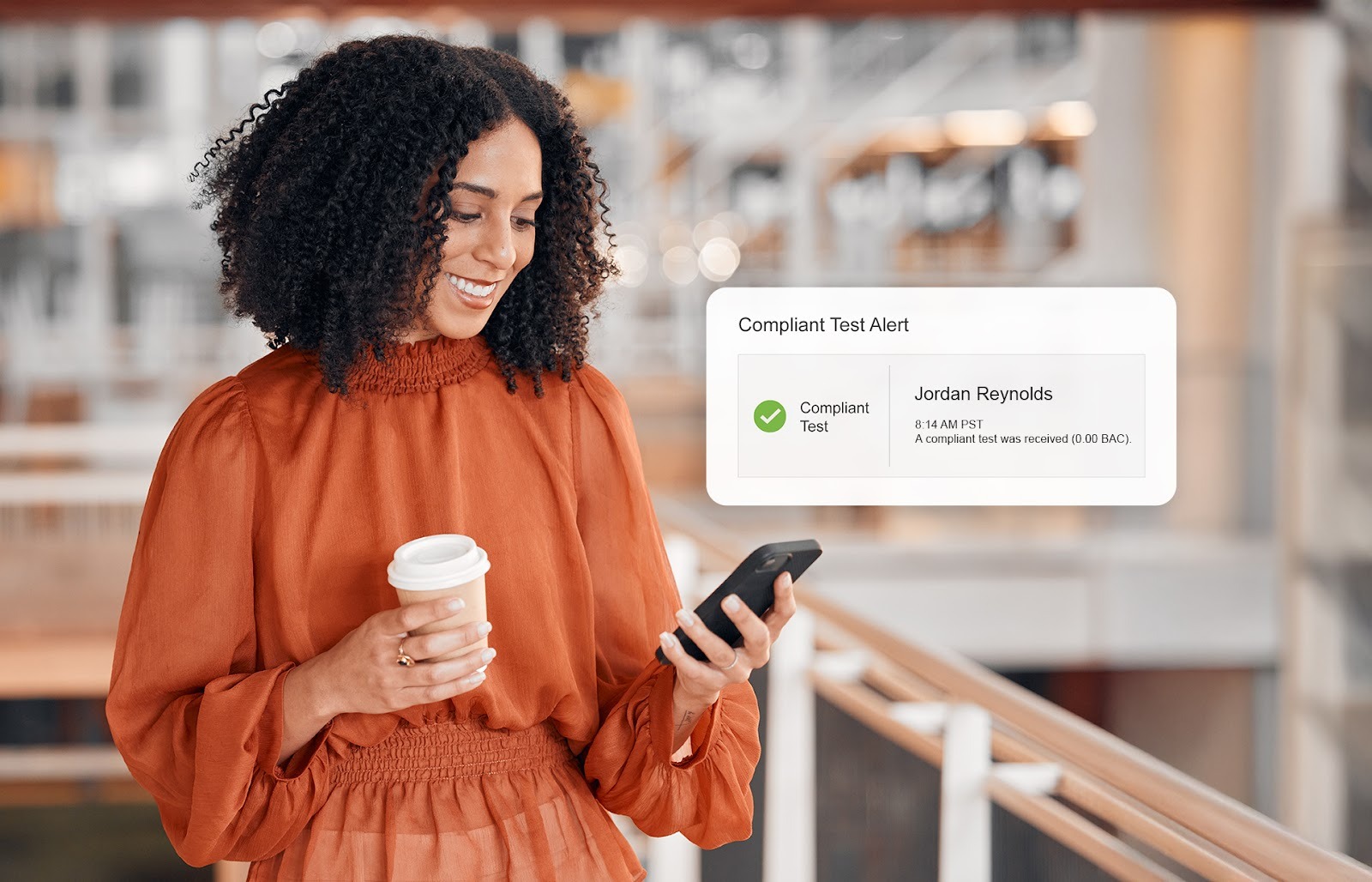
A reading of 0.00%—meaning no detectable alcohol in the bloodstream—is significant. It's proof of commitment, a marker of trust, and a foundation for long-term stability.
For loved ones, seeing consistent 0.00 readings can ease worry and rebuild confidence in the relationship. For the person in recovery, it's tangible evidence of their hard work and dedication.
Consistency is the goal, not perfection. Slip-ups happen, and they don't erase progress. What matters is the willingness to keep showing up, keep testing, and keep moving forward. That's where zero-tolerance accountability, like what Soberlink provides, can make a real difference.
Understanding blood alcohol levels and how to read a blood alcohol level chart doesn't make you a medical expert. But it does give you a powerful tool for supporting someone you care about with clarity, empathy, and confidence.
Recovery is challenging for everyone involved. By replacing uncertainty with information, you can create a more supportive environment; one where trust is rebuilt, progress is celebrated, and setbacks are met with understanding instead of judgment.
If you're ready to take the next step, consider exploring Soberlink's portable alcohol monitoring options. These tools can provide the transparency and accountability that make recovery a shared journey, not a solitary struggle.