A Practical Guide for Treatment Professionals
In alcohol use disorder treatment, accountability plays an important role across many stages of recovery. Accountability support can take different forms, including peer involvement, family agreements, structured expectations, and monitoring tools that help create external structure during vulnerable periods.
For treatment professionals, the question is rarely whether accountability is useful. More often, it is how and when different forms of accountability are most appropriate, and how they interact with a client’s clinical risk profile, recovery stage, and therapeutic goals.
Accountability is not treatment, and it is not a substitute for therapeutic work. Its impact depends heavily on context. In some cases, accountability can reduce anxiety, stabilize relationships, and support early recovery. In others, it can increase shame, resistance, or reliance on external control if introduced without care or client buy-in.
This guide outlines several common clinical alcohol addiction risk profiles and explores how accountability can function as a recovery support within each. The intent is not to prescribe a single approach, but to offer a practical framework that helps treatment professionals match accountability strategies to clinical need, while remaining grounded in therapy and recovery skill-building.
To ground this framework in real-world practice, we spoke with treatment professionals working across addiction treatment, mental health, and recovery support, and incorporated their perspectives throughout.
The profiles described below are not diagnostic categories, but practice-based patterns commonly observed in alcohol recovery settings. They are intended as a clinical reference to support judgment, not replace it.

(Addiction transfer, post-surgical vulnerability, rapid progression)
Rachel Acres, Director at The Freedom Room, describes how this risk profile is frequently overlooked:
“The most crucial but overlooked factor in my clinical work is addiction transfer risk—particularly for clients who've had gastric bypass or sleeve gastrectomy surgery. These individuals metabolize alcohol differently and face heightened addiction vulnerability that traditional risk assessments miss entirely.”
She notes how quickly alcohol problems can emerge:
“I've had three clients in the past year who developed rapid-onset alcohol problems post-surgery despite no prior addiction history, and standard monitoring protocols weren't designed for their accelerated progression.”
In these cases, accountability is not about proving abstinence or enforcing compliance. Instead, it can serve as:
Here, accountability functions as a protective clinical support, particularly when internal cues and awareness are still developing.
(Post-use disclosure, relapse, or treatment re-entry)
Ian McLoone, LPCC, LADC, Co-Founder and CEO of Expanse Minnesota, often sees accountability used effectively in this stage:
“In early recovery, there's often a serious lack of trust. In a situation like this, the people around him have tangible ‘proof’ that he's not drinking.”
In couples and family contexts, accountability can reduce emotional pressure:
“A tool like Soberlink can be a great way to show that he's not drinking, and can give his partner and family a sense of relief that can slowly but steadily restore a sense of normalcy at home.”
McLoone emphasizes that accountability must be collaborative:
“The most important piece, however, is total buy-in from the person in early recovery. Without that buy-in, a sense of punitive overreach can set in and create resentment.”
When thoughtfully implemented, accountability can:
At this stage, accountability supports trust repair, not surveillance.

(Professional stability masking problematic drinking)
Rachel Acres describes how accountability can be reframed in these cases:
“One client I worked with was a high-functioning accountant who appeared stable but was drinking secretly. We implemented monitoring not as surveillance but as a way to kill the exhausting daily performance of ‘seeming fine.’”
For this client, accountability reduced internal stress:
“She said the device actually reduced her anxiety because it eliminated the mental gymnastics of hiding.”
Acres highlights the importance of framing:
“Monitoring works best when tied to removing shame.”
In this profile, accountability can:
Used carefully, it becomes a relief mechanism, not a corrective one.
(Skill acquisition and readiness for tapering)
As recovery stabilizes, accountability often shifts roles. Acres explains:
“For tapering, I look at whether someone's built what I call ‘recovery infrastructure’—consistent therapy engagement, active participation in support communities, and honest communication about cravings.”
She emphasizes that readiness is functional, not time-based:
“That usually takes 4–6 months minimum, not a timeline.”
Some clients choose to continue accountability longer:
“I've had clients keep monitoring for two years by choice because it protected their professional license, and others stop at three months because they'd developed strong peer accountability.”
At this stage, accountability:
Across profiles, one principle remains consistent: accountability data alone does not indicate recovery.
As Acres cautions:
“The biggest clinical mistake I see is monitoring without addressing why someone drank in the first place.”
She describes the risk of over-reliance:
“I had a client pass every screen for 60 days while white-knuckling through untreated trauma. He eventually relapsed hard because we focused on the alcohol instead of the pain underneath it.”
Accountability is most effective when paired with:
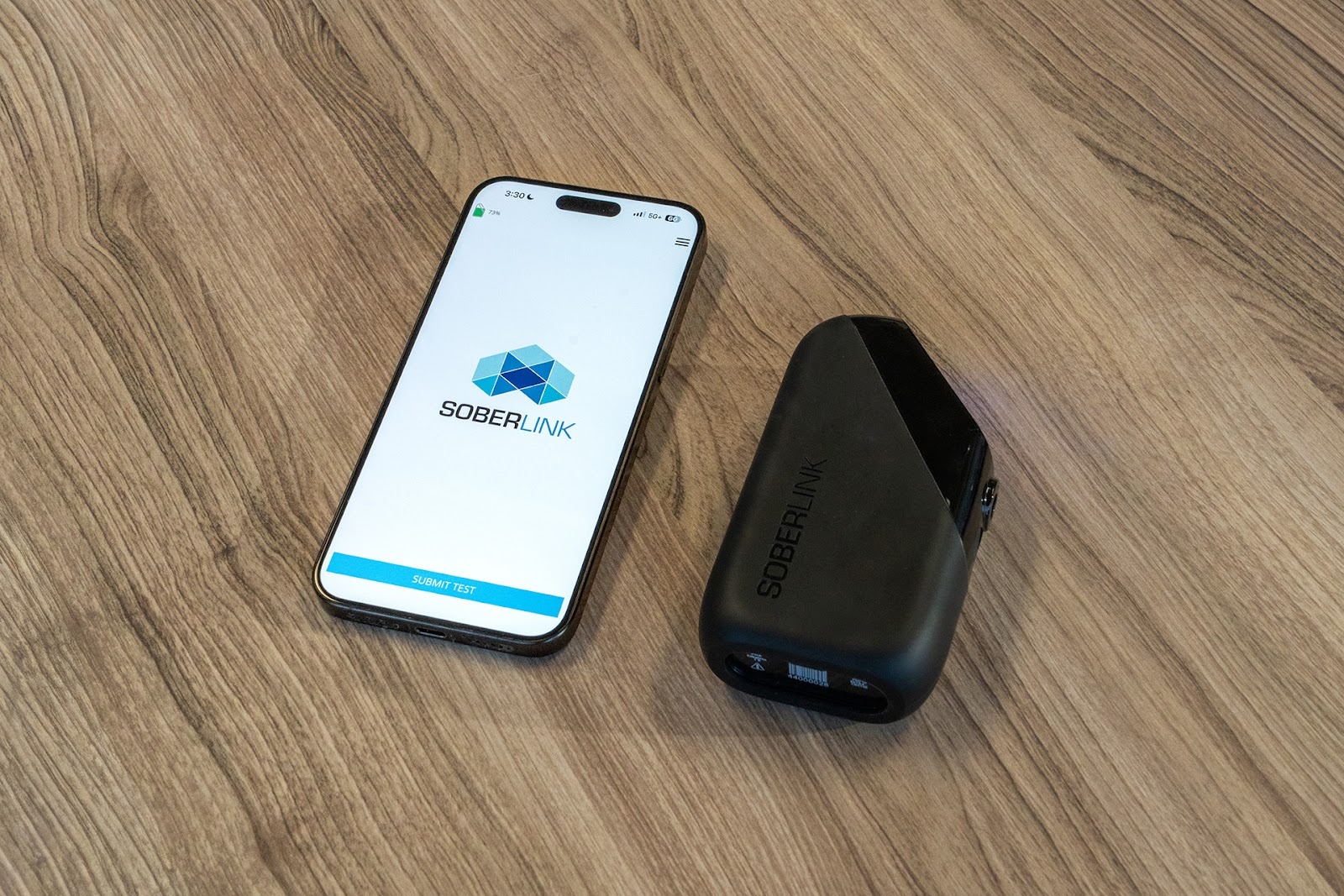
Accountability supports vary widely in structure and reliability. Some approaches rely heavily on self-report or client-controlled documentation. Others incorporate identity verification, scheduled expectations, and third-party reporting.
When accountability systems include:
They can reduce ambiguity and allow clinicians to focus more fully on therapeutic work.
For this reason, some treatment teams choose to incorporate structured systems such as Soberlink as part of a broader recovery plan. When used appropriately and collaboratively, these systems function as recovery infrastructure, not punishment.
Accountability is neither inherently helpful nor harmful. Its effectiveness depends on clinical context, recovery stage, client readiness, and therapeutic framing.
When aligned with recovery goals, accountability can:
When misaligned, it can:
For treatment professionals, the goal is not to decide whether accountability belongs in recovery, but how to use it intentionally, in ways that support healing rather than control.
When accountability reinforces recovery infrastructure instead of replacing it, it becomes a tool clinicians can use with care, flexibility, and clinical judgment.
For treatment professionals interested in exploring how accountability fits into real-world care planning, Soberlink offers Lunch and Learn sessions designed for clinical teams.
These sessions focus on applying accountability frameworks across different recovery stages, identifying when structured supports are helpful versus counterproductive, and examining common implementation challenges. The emphasis is on clinical judgment, client buy-in, and integration with therapeutic work, rather than on tools alone. Sessions are discussion-based and intended to support treatment teams in making informed, case-by-case decisions about accountability in alcohol recovery.