Download Article As PDF
If you work as a divorce coach long enough, alcohol will come up.
Sometimes subtly. Sometimes urgently. Often with a lot of fear and uncertainty underneath.
A client may say they are worried about their co-parent’s drinking. Or they may insist their own alcohol use is “under control” while the other side does not agree. When children are involved, these conversations become even more emotionally charged. And as a divorce coach, you are often the person clients turn to first to talk it through.
This puts coaches in a delicate position. You are not there to diagnose, investigate, or take sides. But you are there to help clients navigate real-world challenges with clarity, structure, and appropriate tools. Knowing which tools are credible, defensible, and widely trusted is part of doing that job well.
That is why alcohol monitoring, and specifically Soberlink, is something every divorce coach should understand.
Alcohol issues are different from many other conflict drivers in divorce because they rely heavily on trust. And in divorce, trust is often already broken.
Self-reporting is unreliable. Promises feel hollow. Even well-intentioned clients may minimize or rationalize their drinking, while the other party assumes the worst. Coaches can easily get pulled into circular conversations that go nowhere and increase conflict rather than reduce it.
Without an objective system in place, alcohol becomes a constant source of accusation and defensiveness. This is not only exhausting for clients. It puts divorce coaches at risk of being asked to “validate” one person’s version of reality over another’s.
That is exactly where structured, trusted monitoring tools matter.
A common misconception is that any breathalyzer provides accountability. In reality, many consumer breathalyzers are easy to misuse, manipulate, or defeat. Devices that allow self-testing without safeguards create a false sense of security.
This issue is well documented. In an article featuring forensic psychologist Dr. Aaron Robb, he explains how many alcohol monitoring technologies lack the protections necessary to ensure accurate, defensible results. These tools can be bypassed in ways that are not obvious to families or professionals relying on them.
You can read the full discussion here:
For divorce coaches, this distinction is critical. Recommending an unverified or easily defeated tool can unintentionally escalate conflict or undermine trust if results are questioned later.
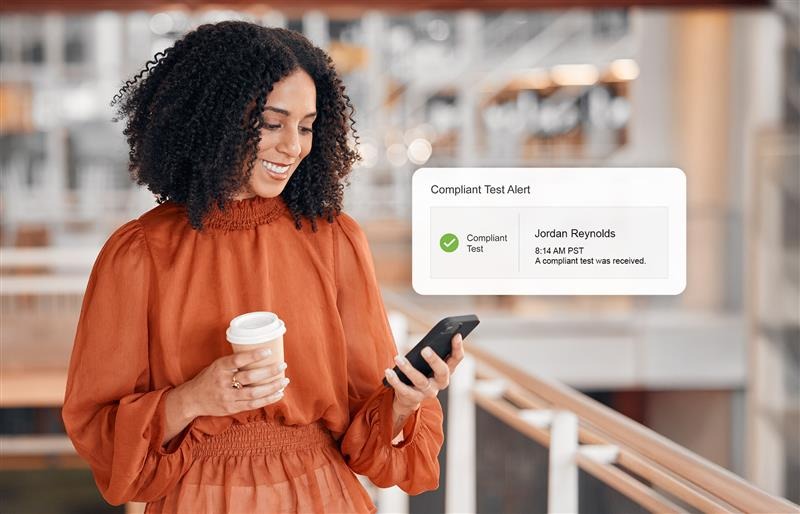
Soberlink is not just a breathalyzer. It is a comprehensive alcohol monitoring system designed specifically for high-conflict, high-stakes situations like divorce and custody matters.
Key elements that distinguish Soberlink include:
Because of these safeguards, Soberlink results are widely relied upon by attorneys, judges, evaluators, and treatment professionals. For divorce coaches, this matters because it allows you to point clients to a tool that is already accepted within the legal and clinical ecosystems surrounding divorce.
One of the most important reasons for coaches to understand Soberlink is that it helps you stay in your lane.
You are not deciding whether someone is sober. You are not interpreting results or enforcing consequences. Instead, you are helping clients identify appropriate resources and encouraging solutions that reduce uncertainty and conflict.
When alcohol is a concern, suggesting a trusted monitoring option does exactly that. It shifts the focus away from arguments and toward structure. It also protects coaches from being positioned as the authority on someone else’s substance use.
This is not about punishment. It is about accountability, transparency, and peace of mind.

Programs like Divorce Coaches Academy include education on Soberlink for a reason. Coaches in training need exposure to tools they will encounter in real cases and understand how those tools fit into the broader divorce process.
Learning about Soberlink as part of your training allows you to:
This knowledge helps you show up as a calm, informed guide rather than someone scrambling for answers when alcohol concerns arise.
Divorce coaching is not just about emotional support. It is about helping clients make informed decisions during one of the most complex periods of their lives.
When alcohol is part of the picture, suggesting trusted, proven tools is an ethical responsibility. Guesswork, self-monitoring, and unverified devices create more problems than they solve. Structure and accountability reduce conflict and protect everyone involved, especially children.
Knowing what Soberlink is, why it is trusted, and when to suggest it equips you to handle these situations with professionalism and confidence.
As you move through your training, pay close attention to the Soberlink education included in your coursework. And when questions come up, do not hesitate to reach out to the Soberlink team to learn more about how the system works and how coaches can engage with it responsibly.
Having the right tools matters. Knowing which tools to trust matters even more.