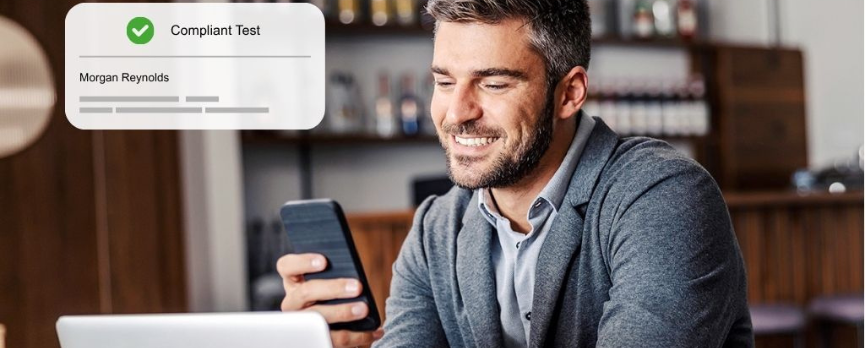
Quick Answer: A sobriety tracker is a tool that helps individuals monitor and maintain alcohol-free living. Mobile apps work well for personal habit-building, while professional-grade devices like Soberlink provide verified, tamper-resistant monitoring for legal, workplace, and clinical accountability. Choosing the right tracker depends on what's actually at stake.
Sobriety looks different for everyone. For some, it's a personal health goal: cutting back after a rough few months, staying mindful of drinking habits, or choosing to live alcohol-free. For others, it carries higher stakes: a custody arrangement that depends on verified sobriety, a workplace agreement, or a structured recovery program overseen by a treatment provider.
Connected technology has made it easier than ever to track progress and build healthier habits. Smartphones sit in our pockets all day, and reminders, streaks, and milestone alerts are just a tap away. The question is no longer whether a sobriety tracker exists. Instead, it's whether the one you're using actually fits your situation.
This guide breaks down how sobriety tracking tools work, what features matter most, and when a mobile app alone may not be enough.
A sobriety tracker is any tool, digital or physical, that helps a person monitor their alcohol-free time and support their commitment to sobriety. The most common forms are smartphone apps, though professional monitoring devices like breathalyzers are also widely used in structured programs.
Most tracker apps work by logging the date a person stopped drinking and counting the days, weeks, and months from that point forward. Over time, they build a visual record of progress that is motivating to look back on and encourages accountability.
Sobriety tracker apps typically ask you to set a sobriety start date, then calculate your current streak automatically. From there, many apps offer:
Professional-grade devices work differently. Rather than relying on self-reporting, they require the user to complete a breath test. The result is transmitted to a designated contact, like a treatment provider, attorney, or employer, along with a timestamp and identity confirmation.
The appeal is easy to understand. Mobile trackers are free or low-cost, available 24/7, and private. You can open one on your lunch break, log a journal entry before bed, or check your streak first thing in the morning without anyone else involved.
Apps like Sober Grid, I Am Sober, and Nomo have built large communities around this kind of personal accountability. Many users report that watching their streak climb 30 days, 60 days, or six months is genuinely motivating, and milestone celebrations within the app create small but meaningful moments of recognition.
For someone newly sober and working on building new habits, a mobile tracker can be a powerful daily companion. It keeps the goal visible and turns sobriety into something measurable. Many people find that the simple act of opening an app each morning reinforces the choice they made the day before, turning a one-time decision into a daily practice.
If you're evaluating apps for personal motivation and wellness, look for:
The best sobriety tracker for personal use is ultimately the one you'll actually open every day.
Self-reported sobriety works on the honor system, and for personal motivation, that's completely fine. But there are situations where unverified check-ins simply aren't appropriate:
In each of these cases, the stakes go beyond personal motivation. What's needed isn't just a log of good intentions. Instead, it's tamper-resistant, third-party verified proof.
Situations where self-reported tracking has limitations:
Professional monitoring goes several steps further than self-reporting. A verified alcohol test captures a real-time result that can't be manipulated after the fact. Identity verification confirms that the right person is taking the test, not a sober buddy. Scheduled daily testing prevents someone from simply abstaining from alcohol around predictable check-in times.
Perhaps most importantly, professional monitoring creates a verified chain of custody. Results are automatically shared with attorneys, employers, courts, or treatment providers, removing human error and eliminating room for dispute.
It also tends to change the dynamic between the person being monitored and the people relying on that information. Instead of repeated conversations built on reassurance alone, both sides can point to a documented, time-stamped history. For many families and professionals, that shift from "trust me," to "here's the proof," is what makes long-term recovery arrangements sustainable.
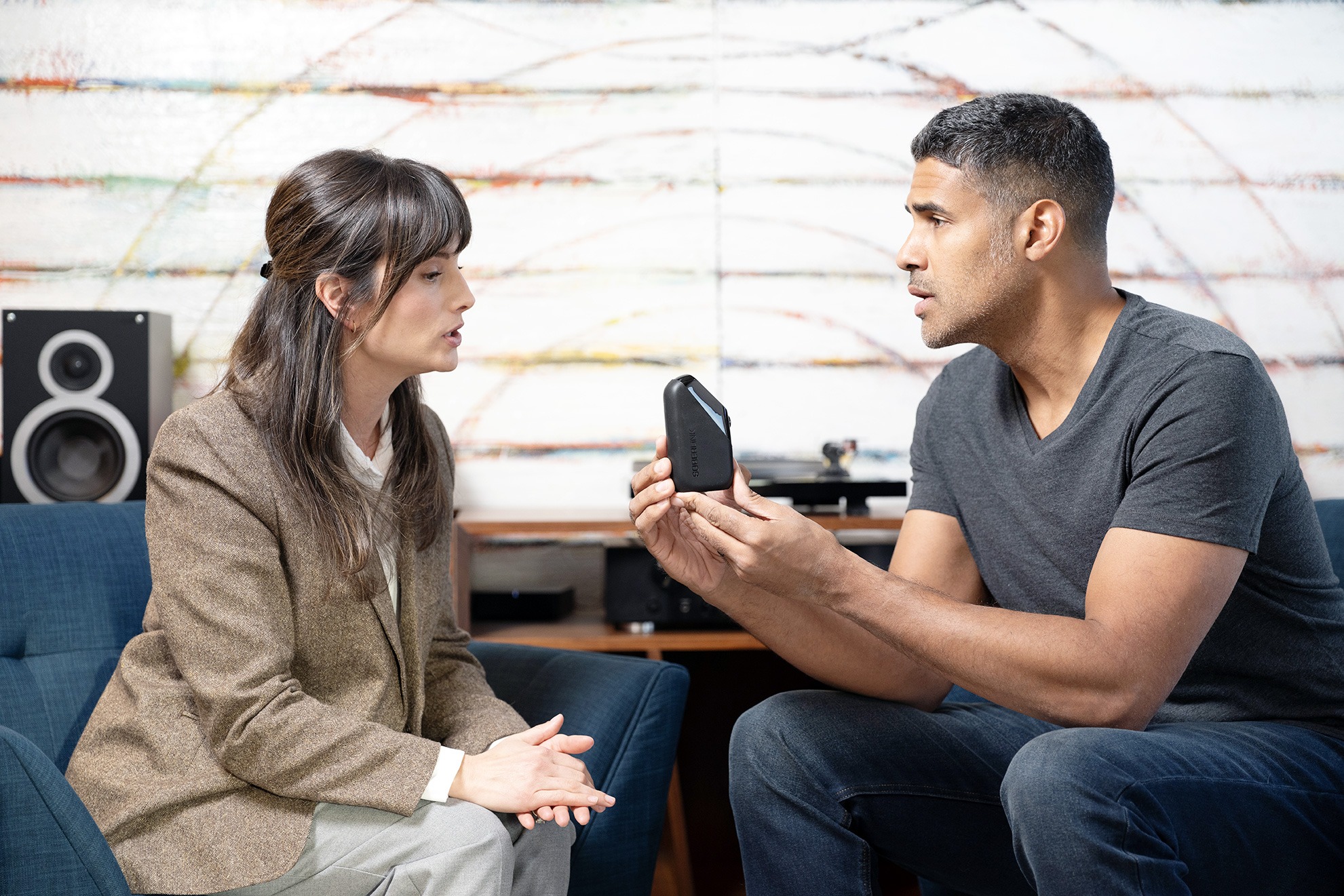
Soberlink has spent more than a decade building technology specifically for professional-grade alcohol monitoring. The Soberlink 7.0, the company's latest portable alcohol monitor, combines the convenience of smartphone connectivity with the verification standards required in legal, clinical, and professional settings.
What sets it apart:
The Soberlink 7.0 is compact, rechargeable, and designed to reduce the stigma often associated with consumer-grade monitoring devices. It works with both iOS and Android and comes with a protective case, mouthpieces, and a USB-C charging cable.
Soberlink is widely regarded as the most trusted monitoring tool in family law cases, addiction recovery programs, and workplace compliance because it delivers verified, documented results that personal apps cannot.
The right tool depends entirely on your situation.
Choose a mobile sobriety tracker app if:
Choose professional monitoring like Soberlink if:
Whether you're just beginning a sobriety journey or need a trusted solution for legal or professional compliance, there's a sobriety tracker suited to your needs. For personal motivation, a mobile app can be a great starting point. When accuracy, verification, and reporting matter, Soberlink offers the professional-grade monitoring that individuals, families, and institutions can rely on.

What is the difference between a sobriety tracker app and a professional monitoring device? A sobriety tracker app logs self-reported data, such as a start date and daily check-ins, to help users visualize their progress. A professional monitoring device, like Soberlink, uses a fuel-cell breathalyzer with identity verification and automated reporting to provide third-party verified results. Apps are suited for personal accountability; professional devices typically support legal or clinical documentation.
Can a sobriety tracker app be used as evidence in court? No. Self-reported data from a mobile app is generally not accepted as verified evidence in legal proceedings such as custody hearings. Courts typically require results from a certified monitoring system with identity verification and tamper detection, such as Soberlink.
How does Soberlink verify the identity of the person being tested? Soberlink uses facial recognition at the time of each test to confirm that the correct individual is submitting the result. Combined with tamper-detection sensors and a professional-grade fuel cell, this ensures results are both accurate and attributable to the right person.
Who typically uses Soberlink? Soberlink is used across several settings, including family law cases where a parent must demonstrate sobriety for custody or visitation, workplace compliance programs for professionals in regulated industries, and structured addiction recovery programs supervised by treatment providers.
What should I look for in the best sobriety tracker for my situation? The best sobriety tracker depends on your goal. For personal habit-building, prioritize ease of use, streak tracking, reminders, and community features. For legal, professional, or clinical accountability, prioritize verified testing, identity confirmation, tamper detection, and automated third-party reporting. Soberlink is designed specifically for the latter.