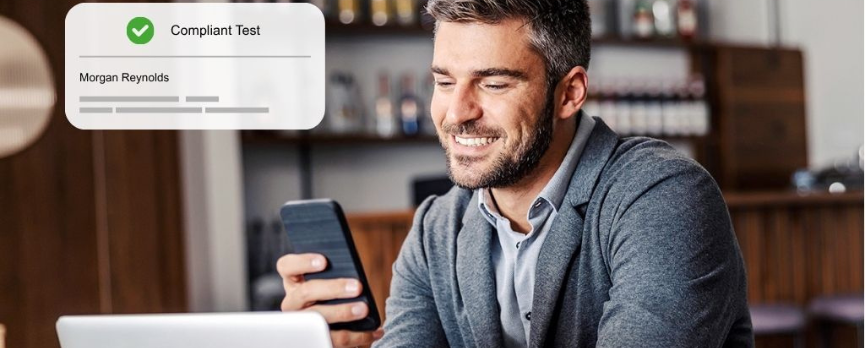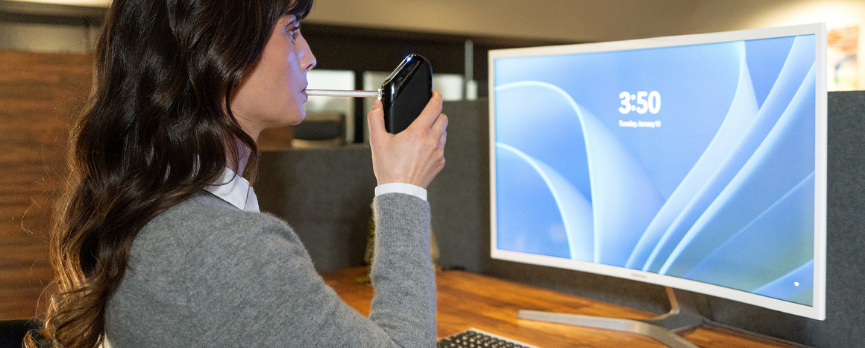
Facial recognition alcohol monitoring combines remote breath testing with biometric identity verification to ensure the right person is taking each court-ordered test. Systems like Soberlink use adaptive facial recognition technology built directly into the device to capture a photo with every test, flag mismatches, and send results to specified contacts in real-time.
Court-ordered alcohol monitoring has a basic but critical problem: how do you know the right person is actually taking the test? A standard breathalyzer measures alcohol. It doesn't confirm who is breathing into it. For family court judges and addiction treatment clinicians managing large caseloads, that gap in accountability creates real challenges.
This kind of monitoring helps close that gap. By pairing breath testing with biometric identity verification, these systems bring a new level of reliability to remote compliance programs.
Facial recognition alcohol monitoring is a remote testing method that verifies a person's identity at the same moment they take a breath alcohol test. Rather than relying solely on BAC results, the device captures a photo of the person during each test and compares it against a baseline identity profile created during enrollment.
Traditional remote breathalyzers measure alcohol content and transmit results, but they leave identity verification to human review, often manually comparing photos after the fact. A facial recognition breathalyzer automates that step. The comparison happens at the time of the test, and any mismatch is flagged immediately for review.
Soberlink, which received 510(k) premarket clearance from the U.S. Food and Drug Administration for medical use, builds adaptive facial recognition technology directly into its alcohol monitoring devices. This allows the monitoring party to know who is testing in real time, without requiring an in-person visit.
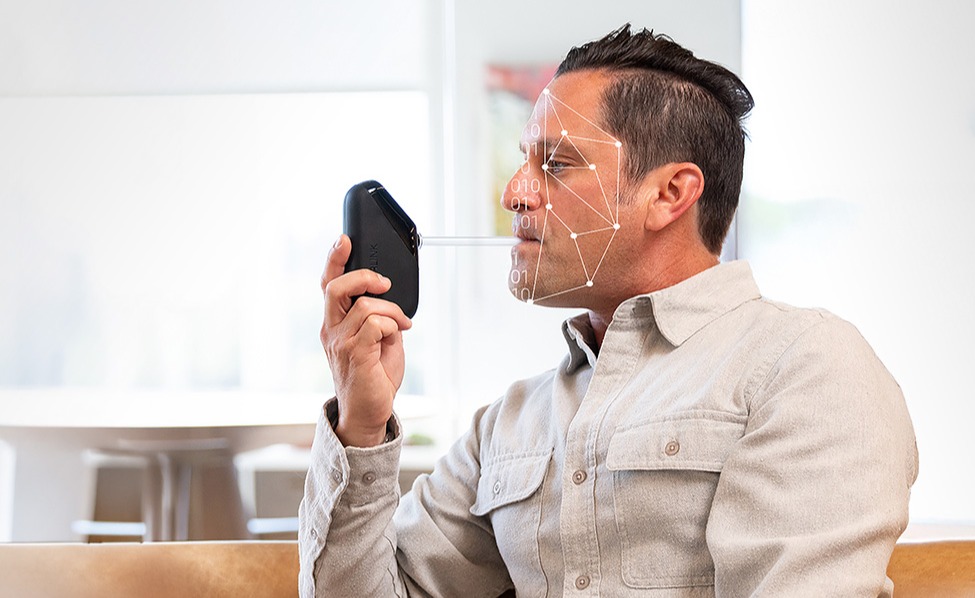
The process is straightforward, and most people find it similar to unlocking a smartphone with their face.
The result is a closed loop: one test, one verified identity check, one timestamped record.
Facial recognition alcohol monitoring is used across a wide range of compliance and treatment settings:
Soberlink client, Phil, put it simply: "There's no getting around the device. It has facial recognition. Soberlink really thought this through."
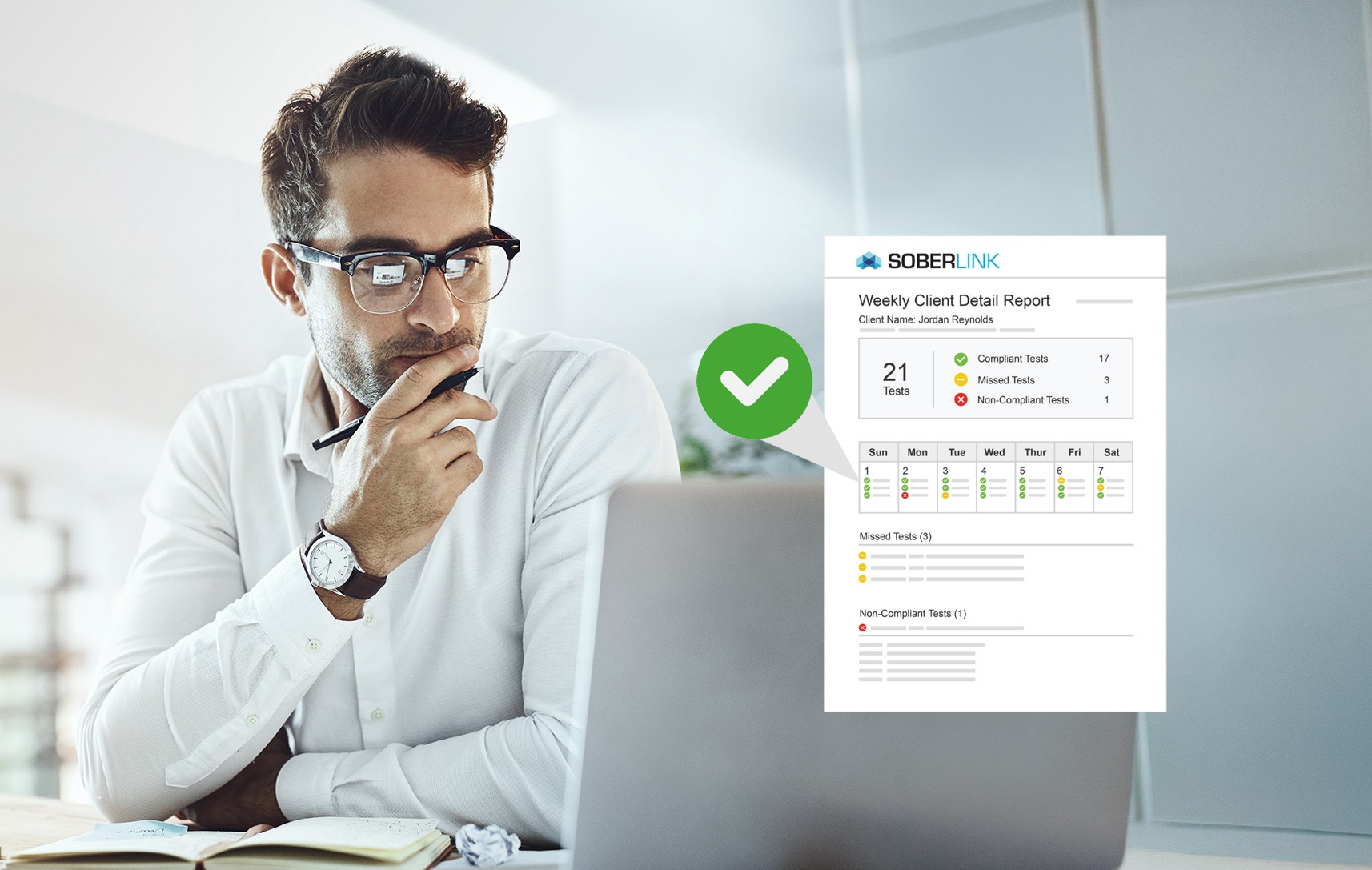
Think about a family law attorney managing 8 clients. Manually reviewing photo evidence from each test is time-consuming and prone to human error. Automated identity verification changes that workflow entirely.
When facial recognition flags a mismatch, the attorney’s attention is directed exactly where it needs to go. Clean results pass through efficiently. Exceptions get reviewed quickly. The whole process becomes faster and more reliable, without adding headcount or slowing down the litigation process.
Leigh Sellers, founder of Touchstone Family Law, noted that Soberlink has helped on both sides of cases, whether protecting a child in the care of one parent or giving the other parent a fair chance to demonstrate their sobriety.
Not all remote monitoring systems offer the same capabilities. Here is what to look for:
Soberlink's alcohol monitoring technology checks all of these boxes. Its devices use a professional-grade fuel cell sensor, the same type used in law enforcement, paired with adaptive facial recognition and AI-powered reporting tools.
Facial recognition alcohol monitoring brings identity verification and breath testing together in one reliable system. For legal professionals and treatment providers, that combination means fewer gaps in accountability and more confidence in the results they receive.
Learn more about Soberlink's alcohol monitoring technology and find the right solution for your program.
What is facial recognition alcohol monitoring?
Facial recognition alcohol monitoring is a remote testing method that captures a photo of the person taking a breath alcohol test and automatically compares it against a verified identity profile. This confirms that the correct person is completing each test and flags any mismatches for human review.
How is a facial recognition breathalyzer different from a standard breathalyzer?
A standard breathalyzer measures blood alcohol content but does not verify who is using the device. A facial recognition breathalyzer performs both functions simultaneously, combining BAC measurement with biometric identity confirmation in a single test.
Who benefits most from facial recognition alcohol monitoring?
It is most useful in court-ordered settings where identity verification is legally important, including family court custody arrangements and specialty court programs.
Does facial recognition alcohol monitoring require in-person supervision?
No. The identity verification process is automated, which is one of its core advantages. Monitoring agreement contacts receive flagged alerts remotely and only need to review results that fall outside normal parameters.
Is Soberlink's facial recognition technology medically cleared?
Yes. Soberlink's alcohol monitoring system has received 510(k) premarket clearance from the U.S. Food and Drug Administration for medical use, which speaks to its accuracy and reliability standards.