Navigating alcohol misuse can feel overwhelming, especially when it involves your personal health, a loved one's recovery, or sensitive family matters. If you are looking for ways to monitor alcohol consumption, you are already taking a positive step toward accountability.
Having a reliable system in place streamlines and strengthens the recovery process. A person’s word is now supported by concrete data, allowing families to heal and individuals to stay on track with their wellness goals.
In this guide, we will explore why people track their drinking habits, the different types of tools available, and how to choose the right system for your specific situation.
Tracking alcohol use in situations where it may be being abused provides much-needed peace of mind for involved parties, whether a co-parent or loved one. It is important to remember that the goal is not to punish anyone. Instead, these tools act as supportive accountability systems that foster transparency and trust.
There are several common scenarios where a person might want to monitor alcohol consumption:

Technology has made it easier than ever to monitor alcohol consumption accurately and discreetly. Here are the most common tools used today:
Standard, store-bought breathalyzers require a user to blow into a mouthpiece to measure their blood alcohol concentration (BAC). They are widely used, but basic models often lack important safeguards, such as facial recognition and tamper sensors, making them easy to cheat.
These modern devices connect directly to a smartphone via Bluetooth. They are typically small, discreet, and easily integrate into a person’s day-to-day, allowing users to track their results through a mobile app while on the go.
Often worn as an ankle bracelet, these devices sample the wearer's sweat 24/7 to detect alcohol. They are heavily used in criminal justice settings where round-the-clock monitoring is required.
EtGs, follicle, and blood tests remain a popular way for people to monitor alcohol in health clinics and lab facilities. These tests typically require an in-person sample, with results taking anywhere from 2 to 5 days to receive. Due to technological advancements and the need for rapid results, this method is not ideal. Soberlink results are instant and can be submitted from anywhere, making the convenience outweigh the need for lab and chemical testing.
These advanced systems combine professional-grade breath testing with modern technology. They often include built-in facial recognition, tamper detection, and automated reporting, making them highly reliable for clinical and legal use. Soberlink Devices are widely considered the leader in this category, heavily leveraged and trusted by addiction treatment and divorce professionals across the country.
When co-parenting involves concerns about alcohol misuse, finding a reliable way to monitor alcohol consumption becomes essential for child safety. These tools help document sobriety during parenting time and support court-ordered agreements.
For example, a parent might be required to prove their sobriety multiple times a day during their custodial time. Tools like Soberlink's Alcohol Monitoring System allow co-parents to prove their sobriety at scheduled times, with results sent instantly to their Concerned Party along with any others specified on the monitoring agreement.
Because the device includes built-in facial recognition, it guarantees the right person is taking the test. These results can then be shared directly with attorneys, co-parents, or treatment professionals, prioritizing the child's safety while reducing conflict between parents.
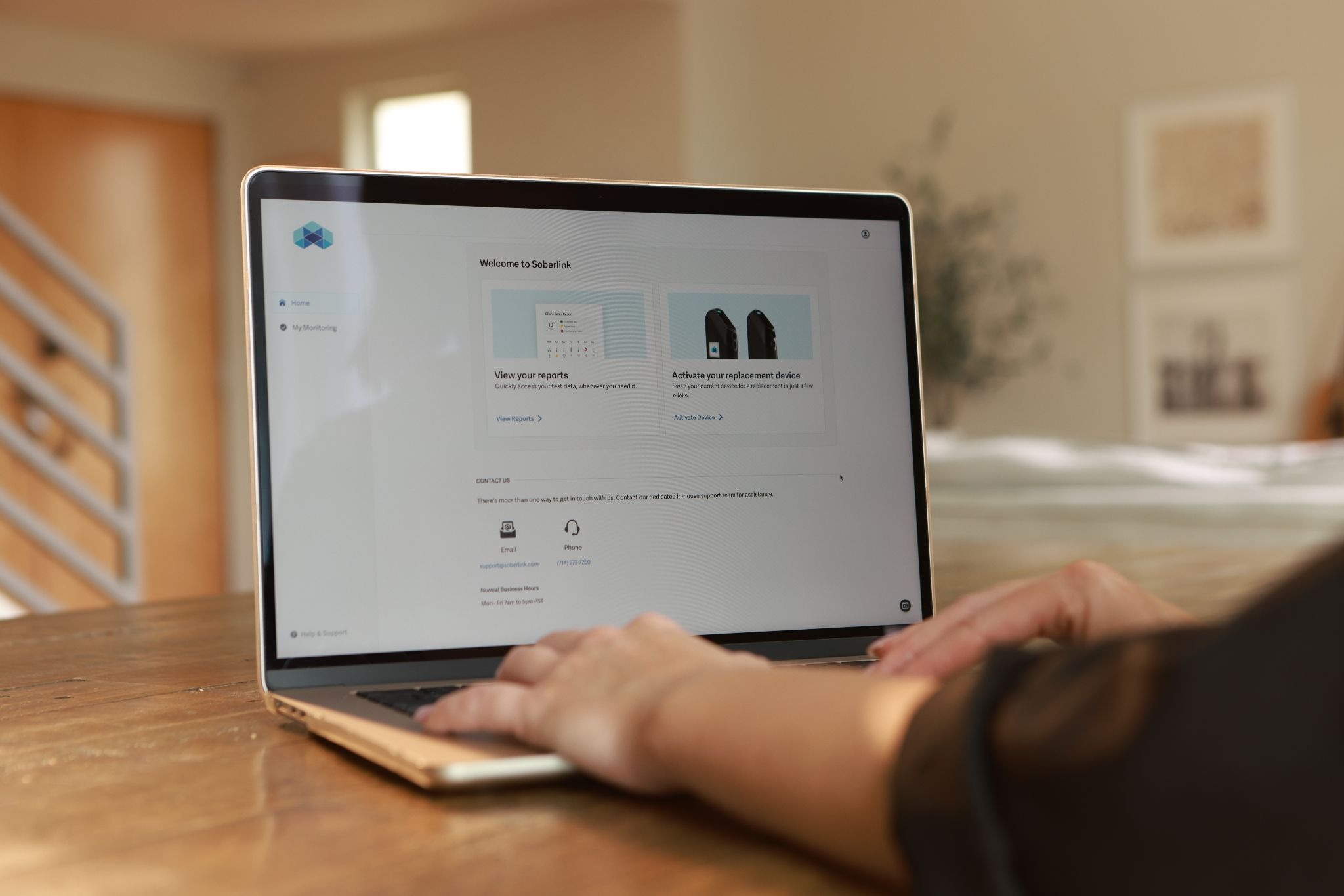
The ideal way to monitor alcohol consumption depends entirely on your daily life and specific needs. When evaluating your options, consider the following factors:
Yes. Devices equipped with professional-grade fuel cell sensors, like those used by law enforcement, provide highly accurate blood alcohol concentration readings.
Absolutely. Family courts frequently rely on advanced breathalyzers, like Soberlink, to document a parent's sobriety and ensure a safe environment for children during custody arrangements.
Breath testing requires a person to actively blow into a device at scheduled times. Continuous monitoring involves wearing a device, like an ankle bracelet, that automatically tests for alcohol through the skin all day and night.
No. While they are common in legal settings, many individuals voluntarily monitor alcohol consumption to support their personal recovery journey or to rebuild trust with loved ones.
Establishing a reliable way to verify sobriety can transform a stressful situation into a manageable one. By choosing the right tool, you can create a safe environment for yourself and your family.
Discover Soberlink's new 7.0 Device and see how it can support your alcohol monitoring journey today.