We carry our smartphones everywhere to stay connected with loved ones, track our daily steps, and manage our busy schedules. Now, these powerful, pocket-sized devices can also help us make safer choices by monitoring sobriety.
A phone breathalyzer pairs the science of alcohol detection with the convenience of your smartphone, allowing you to measure your blood alcohol concentration (BAC) using a simple breath sample.
In the past, breath testing was strictly associated with law enforcement traffic stops or clinical settings. You might remember seeing bulky equipment used by police officers on the side of the highway. Today, that technology has become highly accessible. A mobile breathalyzer fits easily into a bag or glove compartment, bringing professional-grade monitoring directly to consumers.
This accessibility has sparked a major shift in how we approach alcohol monitoring. Beyond keeping drivers safe, a phone breathalyzer is now widely used for personal health tracking and accountability in sobriety.
People are also turning to a mobile breathalyzer for serious legal situations, such as navigating complex custody agreements involving alcohol misuse. By understanding how these tools work, you can decide if they are the right fit for your specific needs.
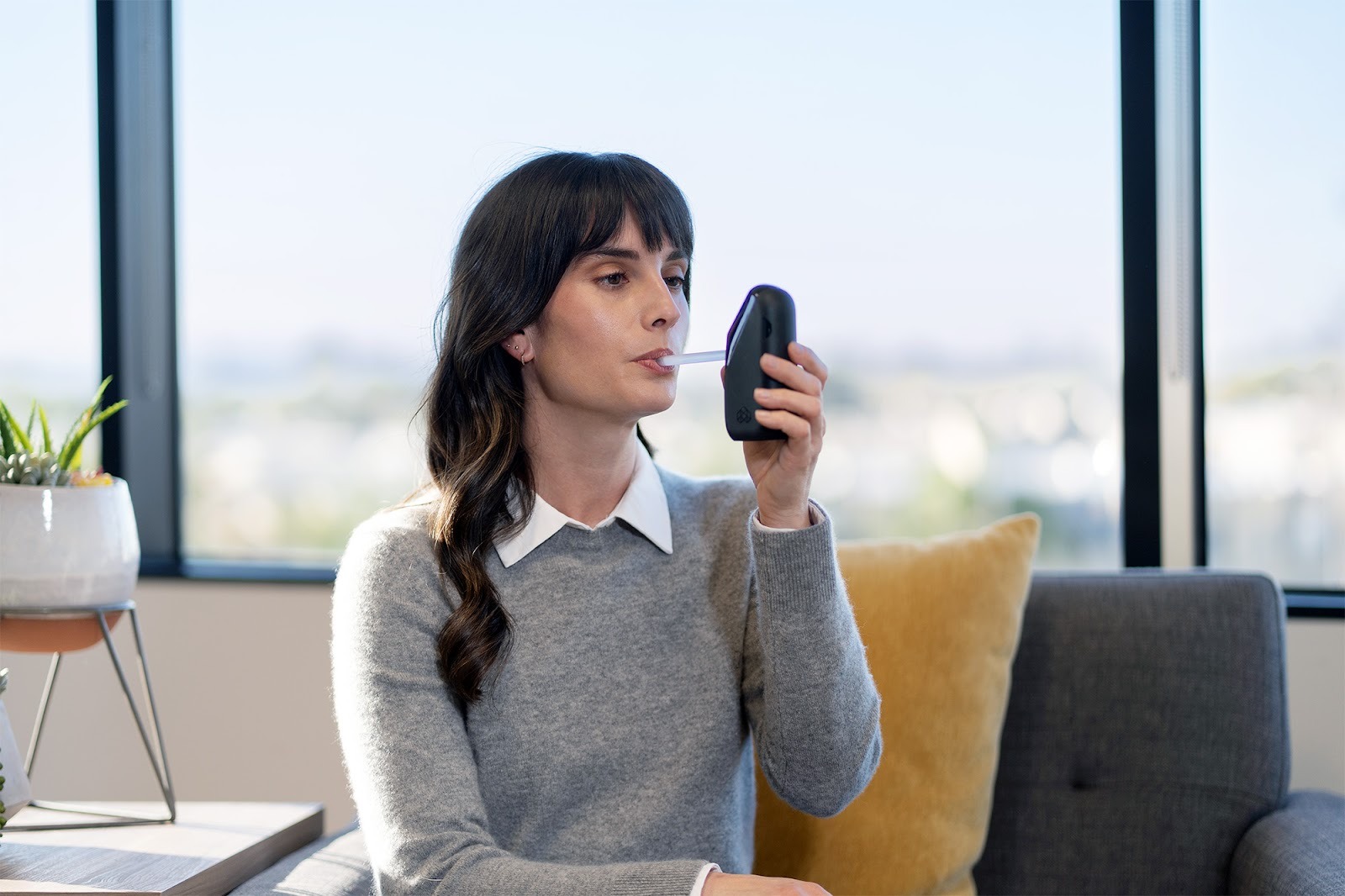
At its core, a mobile breathalyzer is a compact, portable testing device that connects seamlessly to a smartphone, tablet, or smart device. Most models use a wireless Bluetooth connection to sync the physical hardware with an app downloaded to your phone.
When you use a phone breathalyzer, the companion app does a lot of the heavy lifting. Some not only display your current BAC but also track your results over time. If you went out for dinner and had a few glasses of wine, the app might store your testing history so you can see how your body processes alcohol. While the capabilities can be impressive, the intent can cross into policing territory, which is why it is necessary to consider all options for thoughtful recovery.
Features of a high-quality mobile breathalyzer often include:
The science behind a phone breathalyzer is incredibly straightforward for the user. The process generally takes just a few seconds and requires minimal effort.
With Soberlinks’ breathalyzer, the process is as follows: The user opens the app on their smartphone and blows steadily into the physical breathalyzer device. The device captures this breath sample and immediately analyzes the alcohol molecules present deep in your lungs. Sensors inside the unit then calculate your estimated BAC level. Finally, the result is sent wirelessly to your smartphone app, where it is displayed clearly on your screen, and the results are instantly sent to specified contacts.
Many top-tier mobile breathalyzer options use fuel cell sensors. This is the same sensor technology utilized by hospitals, treatment centers, and law enforcement agencies. Fuel cell sensors are highly preferred because they provide remarkably consistent readings across varying alcohol levels and are less likely to be triggered by non-alcohol substances.
If you are relying on a device for your safety or to maintain parenting time for a family court order, accuracy is absolutely critical. The reliability of a mobile breathalyzer depends heavily on the specific sensor technology it uses and how well it is maintained.
Devices equipped with fuel cell sensors can provide readings that closely rival professional breath testing units, provided they are used correctly. Cheaper semiconductor models, on the other hand, might give false positives or fluctuating results.
To ensure your phone breathalyzer delivers the most accurate readings possible, follow these simple best practices:
Safety is paramount in industries where heavy machinery, transportation, or medical care is involved. Because of this, some organizations have integrated portable breath testing into their daily operations.
By having employees use a mobile breathalyzer before beginning a shift, companies can actively promote safety in high-risk environments. It provides a quick, non-invasive way to ensure that staff members are sober and ready to perform their duties safely, protecting both the workers and the public.

Navigating family law can be emotionally taxing, especially when child custody and safety are on the line. In some family court cases, remote alcohol monitoring may be required as part of a formal custody agreement or a collaborative parenting plan.
A phone breathalyzer equipped with app-based monitoring is highly beneficial in these scenarios. It can accurately document a parent's testing history, capturing precise timestamps and BAC levels.
Some advanced models, like the ones at Soberlink, even use facial recognition and tamper sensors to ensure the right person is taking the test. This documented history may help demonstrate strict compliance with agreed-upon sobriety conditions, offering peace of mind to co-parents.
Common examples of situations where a mobile breathalyzer is utilized include:
Important note: While a phone breathalyzer can firmly support documentation efforts, its legal admissibility depends on your specific jurisdiction and the exact device being used. Soberlink is court-trusted and meets all evidentiary standards required. But it is always advisable to consult with a family law attorney regarding court-approved monitoring solutions.
A phone breathalyzer is a portable alcohol screening device that pairs with an app on your smartphone to measure, display, and track your Blood Alcohol Concentration (BAC).
Yes, a mobile breathalyzer can be highly accurate, especially if it utilizes a professional-grade fuel cell sensor and is calibrated regularly according to the manufacturer's instructions.
It depends on the device and the jurisdiction. Advanced devices with identity verification (like Soberlink) and tamper detection are frequently used in family law and custody cases to prove sobriety, but you should always check with your legal counsel.
Yes. Most modern units connect wirelessly to a smartphone or tablet via Bluetooth, sending the test results directly to a dedicated application for viewing and storage. Some standalone cellular models are available, depending on personal preference, for those not connected to WiFi often, as they bypass the phone entirely, sending data straight to a cloud server.
You should wait 15 to 20 minutes after eating, drinking, or smoking before using a mobile breathalyzer. This ensures that the device measures deep lung air rather than lingering alcohol in your mouth, which can skew the results.
Whether you want to rebuild trust with loved ones or need a reliable way to document sobriety for a co-parenting agreement, modern alcohol monitoring technology offers an accessible solution.
A phone breathalyzer empowers you to make informed decisions with accurate results right from your smartphone.
Explore Soberlink's phone breathalyzers and find an option that works for your monitoring needs.