
If you have ever seen a roadside sobriety checkpoint or helped a loved one navigate alcohol recovery, you have likely seen a breathalyzer in action. These small, handheld tools provide a quick and non-invasive way to measure alcohol levels. They reduce uncertainty and support transparency in stressful situations.
But you might find yourself wondering exactly how a breathalyzer works. Understanding the science behind the device can demystify the testing process and explain why these tools are so trusted by professionals and families alike.
The devices utilized by law enforcement, medical professionals, and families navigating alcohol recovery, however, are purpose-built instruments, engineered for accuracy and accountability in ways that a store-bought, recreational breathalyzer is not. For instance, Soberlink, the leader in remote alcohol monitoring, devices are built to that standard.
This guide will walk you through the basics of breath testing, how these devices estimate blood alcohol concentration (BAC), and why the right breathalyzer is such a valuable tool for supporting long-term recovery.
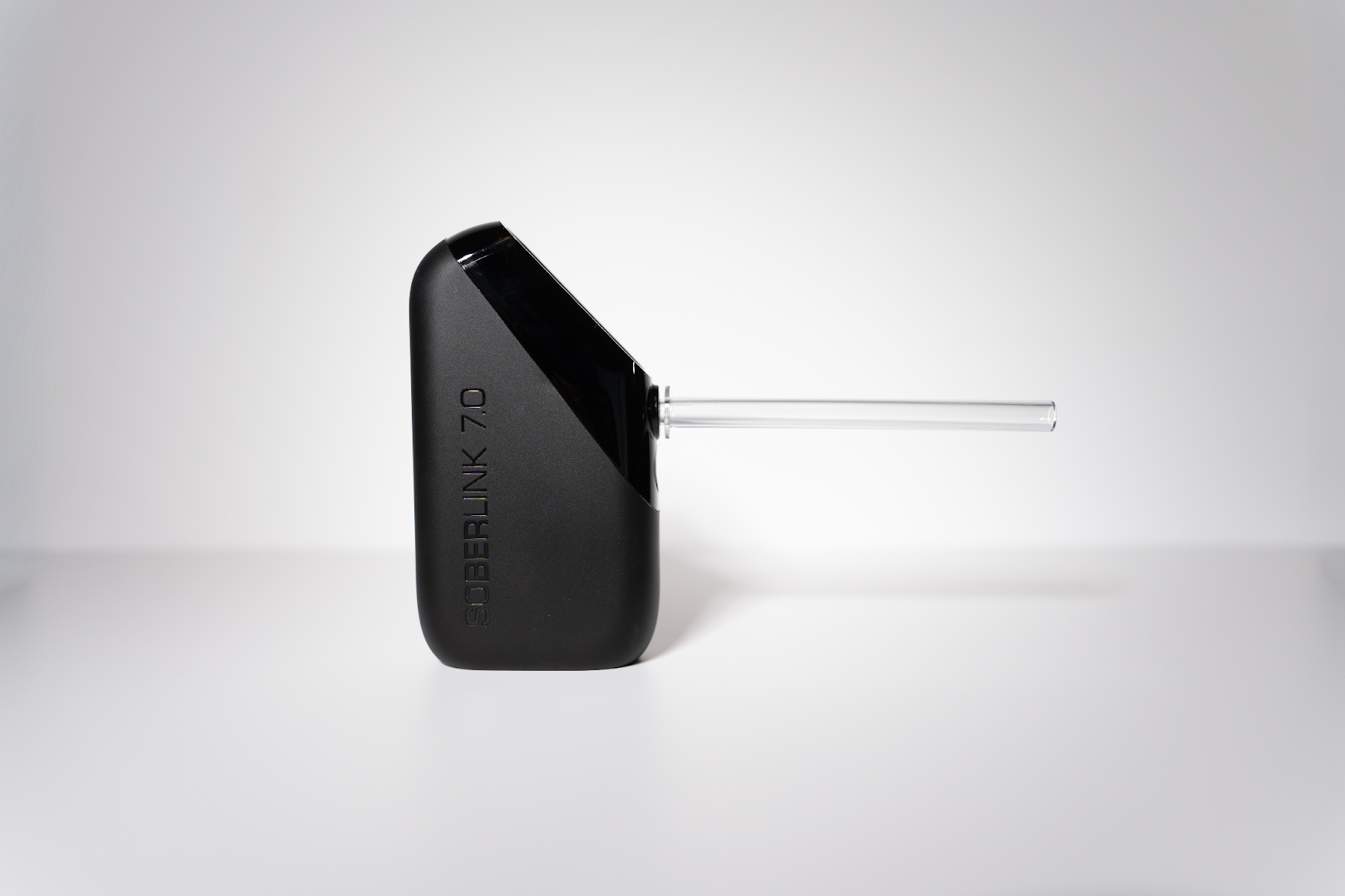
A breathalyzer is a portable testing device designed to detect the presence of alcohol in a person's breath. While many people associate them strictly with law enforcement, they serve a meaningful purpose beyond roadside safety checks.
Some of the most common uses include:
To fully grasp how a breathalyzer works, it helps to know what happens in the body when we drink. When you consume an alcoholic beverage, the alcohol enters your bloodstream. As your blood circulates through your lungs, some of that alcohol evaporates and passes into your breath. This is why alcohol can be detected simply by exhaling.
The actual testing process is very straightforward:
Because it relies on the direct connection between your lungs and your bloodstream, the test provides a highly reliable estimate of how much alcohol is in your system at that exact moment.
When people ask, "How does a breathalyzer work?" they often also want to know whether the results are accurate. The good news is that most high-quality devices, like Soberlink's 7.0 Device, provide reliable estimates when used properly.
However, a few everyday factors can affect the reading. For instance, drinking immediately before taking a test can skew the results. This happens because residual alcohol remains in the mouth and throat, making the breath sample seem artificially high.
Device calibration also plays a big role in maintaining accuracy over time. To get the best possible reading, experts recommend waiting 15 to 20 minutes after your last sip of alcohol before testing. Soberlink's Devices are factory-calibrated and maintained to clinical standards, so users can trust the results every time.
Beyond basic science and roadside safety, understanding how a breathalyzer works can offer profound comfort to families affected by alcohol addiction. Navigating Alcohol Use Disorder can be stressful, and loved ones often struggle with trust.
Breath testing provides a quick, non-invasive way to measure alcohol levels. When used as part of a mutual agreement, it shifts the dynamic away from suspicion and toward honest communication. It gives the person in recovery a concrete way to demonstrate their commitment while offering families the peace of mind they deserve.
That's where professional-grade monitoring makes all the difference. Soberlink's system is purpose-built for recovery, combining clinical-level accuracy with real-time results and monthly client detail reports that create a clear, documented record of sobriety.

Breath testing offers a clear window into health and sobriety. Whether you are curious about personal accountability or supporting a family member through recovery, knowing how a breathalyzer works can help you make more informed decisions. Soberlink’s tools replace doubt with concrete facts, paving the way for healthier relationships.
If you are looking for a reliable way to document sobriety and support accountability, modern technology makes it easier than ever. Check out this guide to compare alcohol monitoring devices and find the right fit for your unique needs at Soberlink.


